Wedding Flowers Guide: Blooms, Styles & Seasonal Picks
Choosing the Right Florist for Your Big Day
Every couple starts their bridal planning journey with one big decision that shapes the entire aesthetic of the celebration. Wedding flowers set the tone for everything from the ceremony backdrop to the reception tablescape, making the florist selection process one of the most important choices you’ll make. A skilled florist doesn’t just arrange stems into a bouquet; they translate your personality, your venue, and your color palette into living art that guests will remember long after the day ends.
Before booking anyone, look at their portfolio closely and ask how they handle seasonal availability and last-minute changes. The best florists communicate clearly, offer transparent pricing, and are happy to walk you through delivery versus full-service installation options. This upfront clarity prevents surprises later and ensures your vision translates accurately from consultation to the actual event day.
Bridal Bouquet Styles Explained
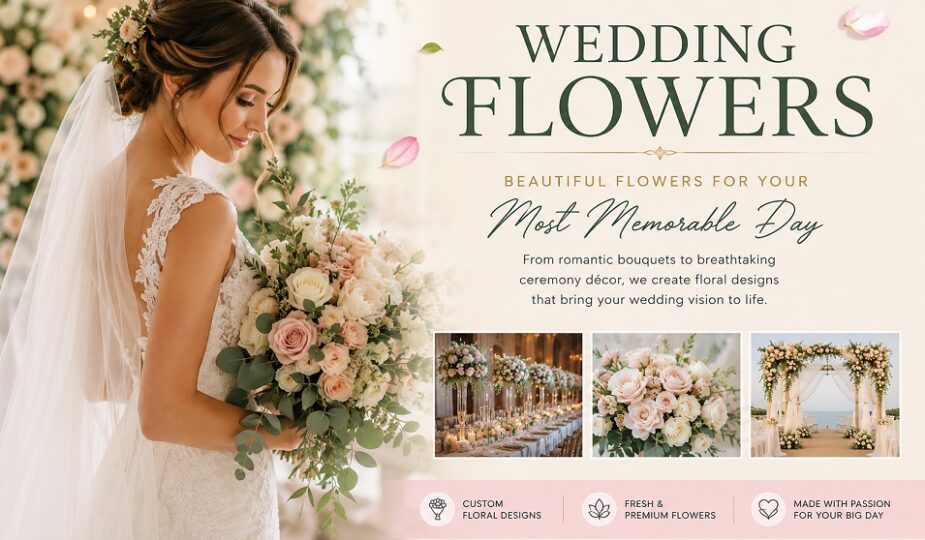
The bridal bouquet is arguably the most photographed floral element of the entire wedding, so getting the shape and texture right matters enormously. Round bouquets offer a classic, polished look, while loose garden-style arrangements feel relaxed and romantic with airy negative space between blooms. Cascading bouquets, with trailing greenery and flowers spilling downward, suit dramatic gowns and formal ballroom settings beautifully.
Texture and scale should match your body type and dress silhouette rather than following trends blindly. A petite bride might prefer a smaller, tightly packed bouquet, while someone in a voluminous ball gown can carry a larger cascading design without looking overwhelmed. Discussing these proportions with your florist during the consultation avoids costly redesigns closer to the date.
Ceremony Florals That Make an Impact
Ceremony installations create the backdrop for your vows and often become the centerpiece of your photography. Arch and arbour arrangements, whether lush and full or minimalist with a few statement stems, frame the couple during the most emotional moment of the day. Aisle markers, altar arrangements, and chuppah greenery all work together to guide guests’ eyes toward the focal point.
Many couples now opt for a ceremony-to-reception flip, where florals are relocated during cocktail hour to serve double duty at the reception. This approach maximizes budget efficiency without sacrificing visual impact, since the same arrangements simply move locations. Planning this logistics detail with your floral team ahead of time ensures a smooth transition without any scrambling on the wedding day itself.
Personal Flowers for the Wedding Party
Beyond the bridal bouquet, personal flowers extend the floral theme to everyone standing beside the couple. Boutonnieres for the groom and groomsmen typically feature one or two accent blooms paired with greenery, kept simple so they don’t compete with suits or ties. Bridesmaid bouquets often echo the bridal bouquet’s palette but in a smaller, more understated scale to maintain visual hierarchy in photos.
Corsages for mothers and grandmothers, along with flower crowns for younger attendants, round out the personal flower category nicely. These details might seem minor individually, but collectively they create cohesion across every photograph taken throughout the day. Coordinating these pieces with your overall color story keeps the entire wedding party looking intentional and unified.
Reception Table Arrangements
Reception centerpieces do more heavy lifting than most couples initially realize, since guests spend hours seated around these arrangements during dinner and toasts. Low, compact arrangements allow for easy conversation across the table, while tall statement pieces create drama and draw the eye upward toward the room’s architecture. Bud vase clusters have become increasingly popular for their relaxed, garden-party feel and lower cost per table.
Mixing arrangement heights and styles across different tables adds visual interest without looking chaotic, especially in larger reception halls. The head table often receives special treatment with a more elaborate design, since it typically serves as the backdrop for speeches and the cake-cutting moment. Coordinating linens, candles, and centerpiece style together produces a cohesive tablescape rather than disconnected elements.
Seasonal Blooms and Availability
Working with what’s naturally in season not only reduces costs but also ensures fresher, longer-lasting arrangements throughout your event. Spring weddings can lean into peonies, ranunculus, and tulips, while summer celebrations often showcase garden roses, dahlias, and hydrangeas in fuller arrangements. Autumn brings warm-toned options like chrysanthemums and amaranthus, and winter weddings benefit from amaryllis, evergreen textures, and deep jewel-toned accents.
Choosing out-of-season flowers isn’t impossible, but it typically increases costs significantly due to importing and specialized sourcing requirements. Discussing your color vision with your florist early allows them to suggest in-season substitutes that achieve a similar look for less money. This flexibility often surprises couples who assumed they were locked into specific varieties from the start.
Color Palette and Design Cohesion
A well-chosen color palette ties every floral element together, from the bridal bouquet down to the smallest boutonniere accent. Monochromatic schemes using varying shades of a single color create sophisticated, editorial-style arrangements that photograph beautifully in any lighting. Contrasting or complementary palettes, on the other hand, add energy and can make florals pop against neutral venue backdrops.
Texture matters just as much as color when building a cohesive design across bouquets, centerpieces, and installations. Combining smooth petals with wispy greenery, dried elements, or textured foliage prevents arrangements from feeling flat or one-dimensional. Sharing venue photos and dress details with your florist helps them recommend a palette that complements the space rather than clashing with existing architectural or lighting elements.
Budgeting Realistically for Florals
Floral budgets can vary enormously depending on flower choice, arrangement scale, and whether you choose delivery-only or full-service installation. Setting a realistic budget from the start prevents disappointment later, since premium blooms like peonies or garden roses carry a noticeably higher price tag than more readily available varieties. Prioritizing which elements matter most, whether that’s the bridal bouquet or a dramatic ceremony arch, helps allocate funds where they’ll have the greatest visual impact.
Requesting a line-by-line quote rather than a bundled package gives couples much more control over where money goes. This transparency allows you to trim less important elements, like reducing centerpiece height or opting for bud vases instead of full arrangements, without sacrificing the pieces you care about most. Many florists offer flexible add-ons, so building a base package first and layering extras afterward keeps spending intentional and trackable.
Timing Your Floral Consultation
Booking your florist too late in the planning process can limit your options, especially during peak wedding season when top designers fill their calendars quickly. Ideally, couples should reach out for consultations six to nine months before the wedding date, giving enough lead time for sourcing specialty blooms and finalizing design details. This also gives your florist time to visit the venue if needed, ensuring installations like arches or hanging arrangements fit the space correctly.
During the consultation, come prepared with venue photos, dress and suit details, and any color swatches or Pinterest boards you’ve compiled. The clearer your vision going in, the more accurately your florist can translate it into a written proposal. Following up with a walkthrough or phone call closer to the date ensures nothing has changed and that final guest counts or venue details are reflected in the last quote.
Delivery Versus Full-Service Installation
Deciding between delivery-only and full-service installation often comes down to complexity and how hands-on you want your wedding morning to be. Delivery-only works well for simpler setups where personal flowers and centerpieces can be placed easily by venue staff or the wedding party without specialized skill. Full-service installation becomes essential for elaborate ceremony structures, hanging installations, or anything requiring technical assembly on site.
The cost difference between these two tiers reflects the added labor and expertise involved in professional placement and styling. Couples juggling multiple locations, such as a getting-ready suite and a separate ceremony venue, often find the full-service option reduces stress considerably on the wedding day itself. Weighing your own comfort level with coordination against the added cost helps determine which tier makes the most sense for your particular celebration.
Preserving Memories Beyond the Day
Many couples now choose to preserve elements of their wedding flowers long after the celebration ends, turning fleeting blooms into lasting keepsakes. Pressed flower frames, resin preservation, and dried bouquet displays have all grown in popularity as ways to keep a tangible piece of the day. Some couples even donate reception centerpieces to local hospitals or care homes, extending the joy of the flowers beyond the wedding itself.
Discussing preservation options with your florist before the big day ensures bouquets are handled with this end goal in mind, since certain flower types press or dry better than others. Photographing arrangements in natural light immediately after the ceremony also captures their peak freshness for keepsake purposes. These small planning steps mean your wedding flowers continue telling your story for years to come, well beyond the single afternoon they were designed for.